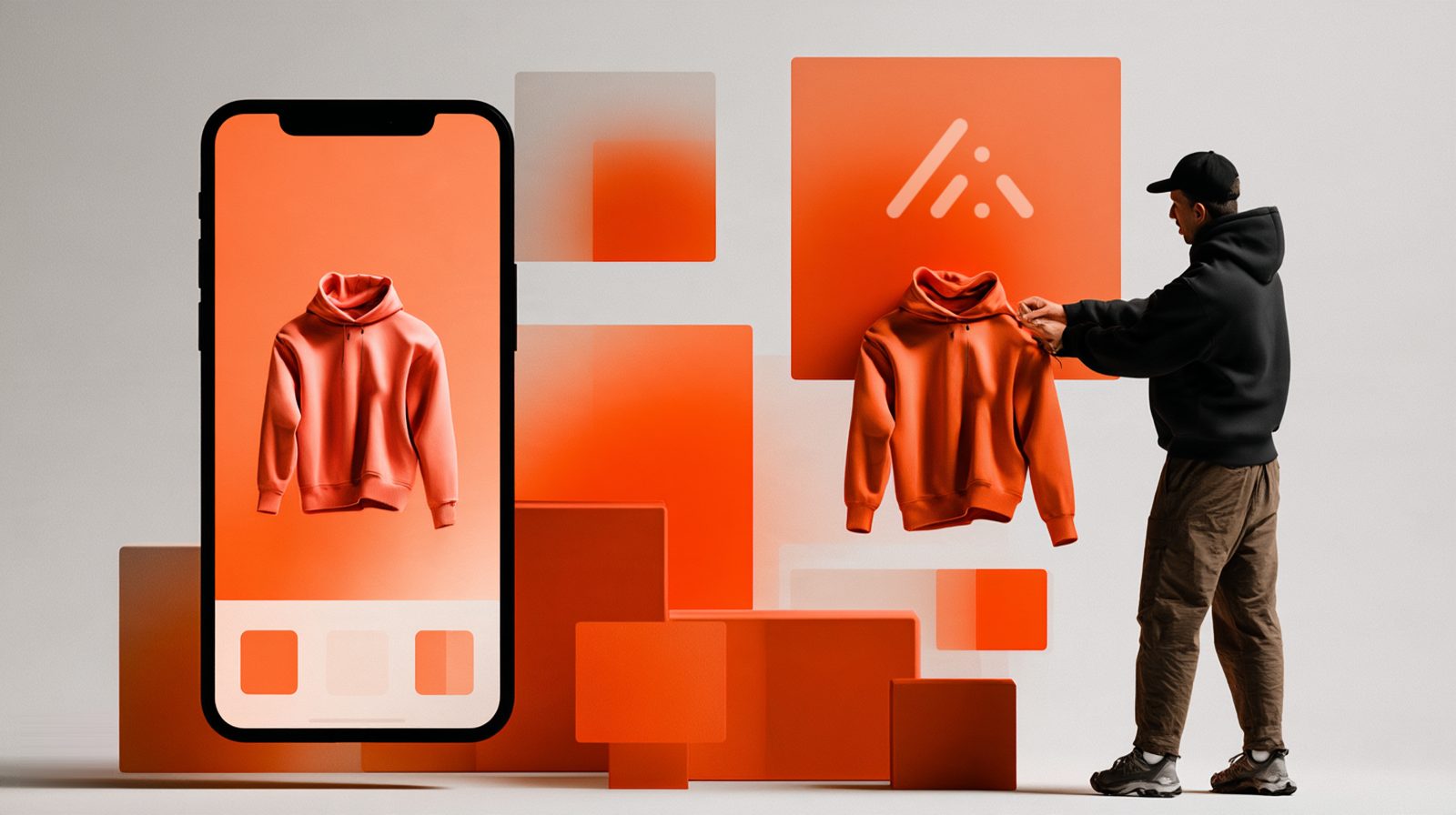
How to Present a Rhino Model in Its Real Material and Color
Geometry is exact long before anyone presents it. Material and color usually lag behind, and the reason has more to do with missing data than with the renderer.
来自 DMIx 团队与行业的观点。

Geometry is exact long before anyone presents it. Material and color usually lag behind, and the reason has more to do with missing data than with the renderer.

A scanned fabric can look right in every 3D tool and still send production toward the wrong color. Usually the scan is fine, and the reference that travels with it is not.

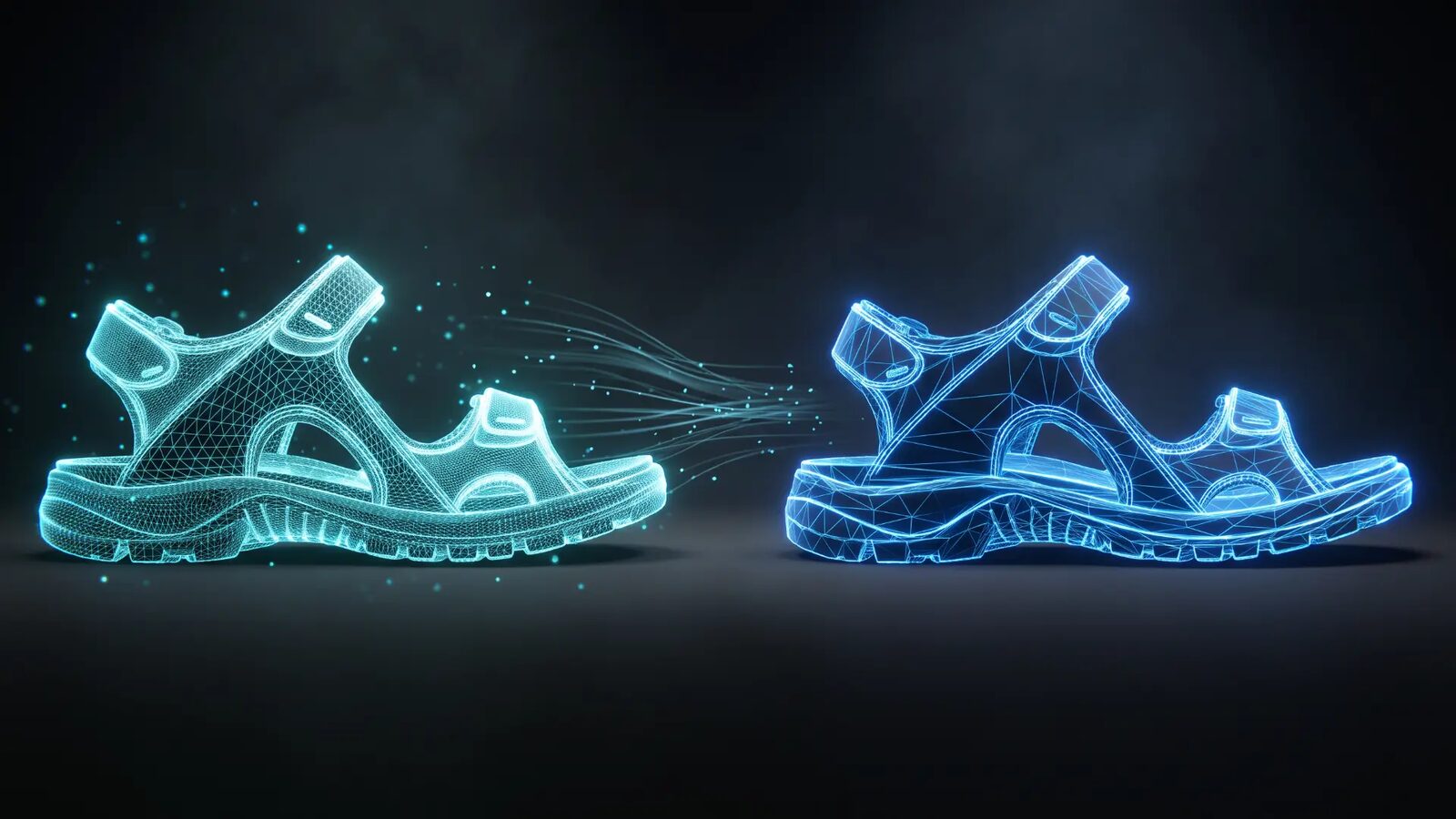
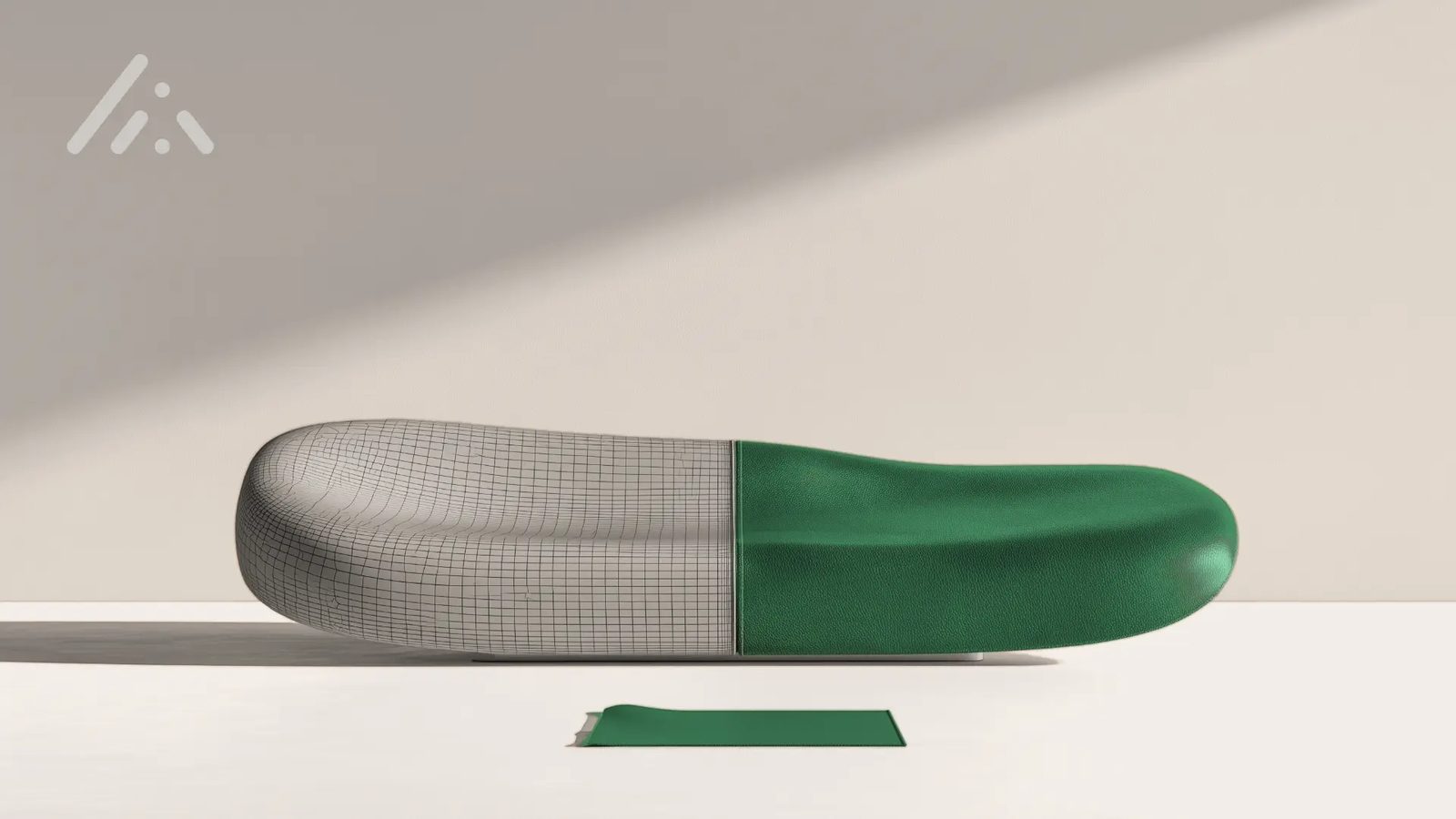
Mesh reduction and texture reduction are the part that already works. Getting the geometry and the material to arrive in the same place, as one production real time ready asset, is the part that usually breaks.

Every cost programme starts with freight, inventory, procurement and automation. The costs below sit in none of those lines, which is exactly why they survive the programme.

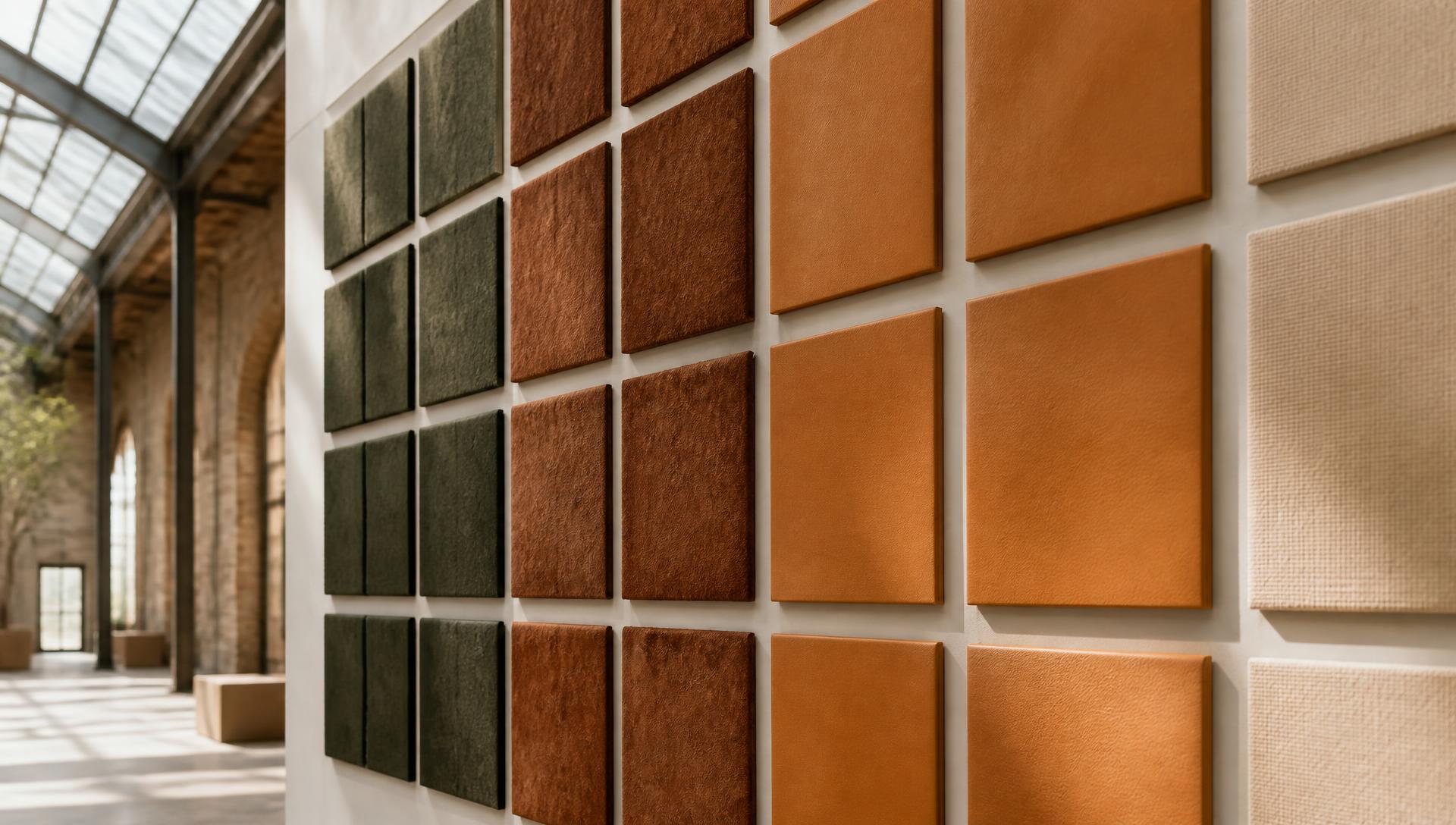
Most platform comparisons stop at storage, search and access rights. The criteria that decide whether a material library still holds up in its third season sit one layer below that.

Every designer has sat through the pitch that data beats the eye. It never lands, and the resistance is not stubbornness. It is a sign that the argument is aimed at the wrong problem.

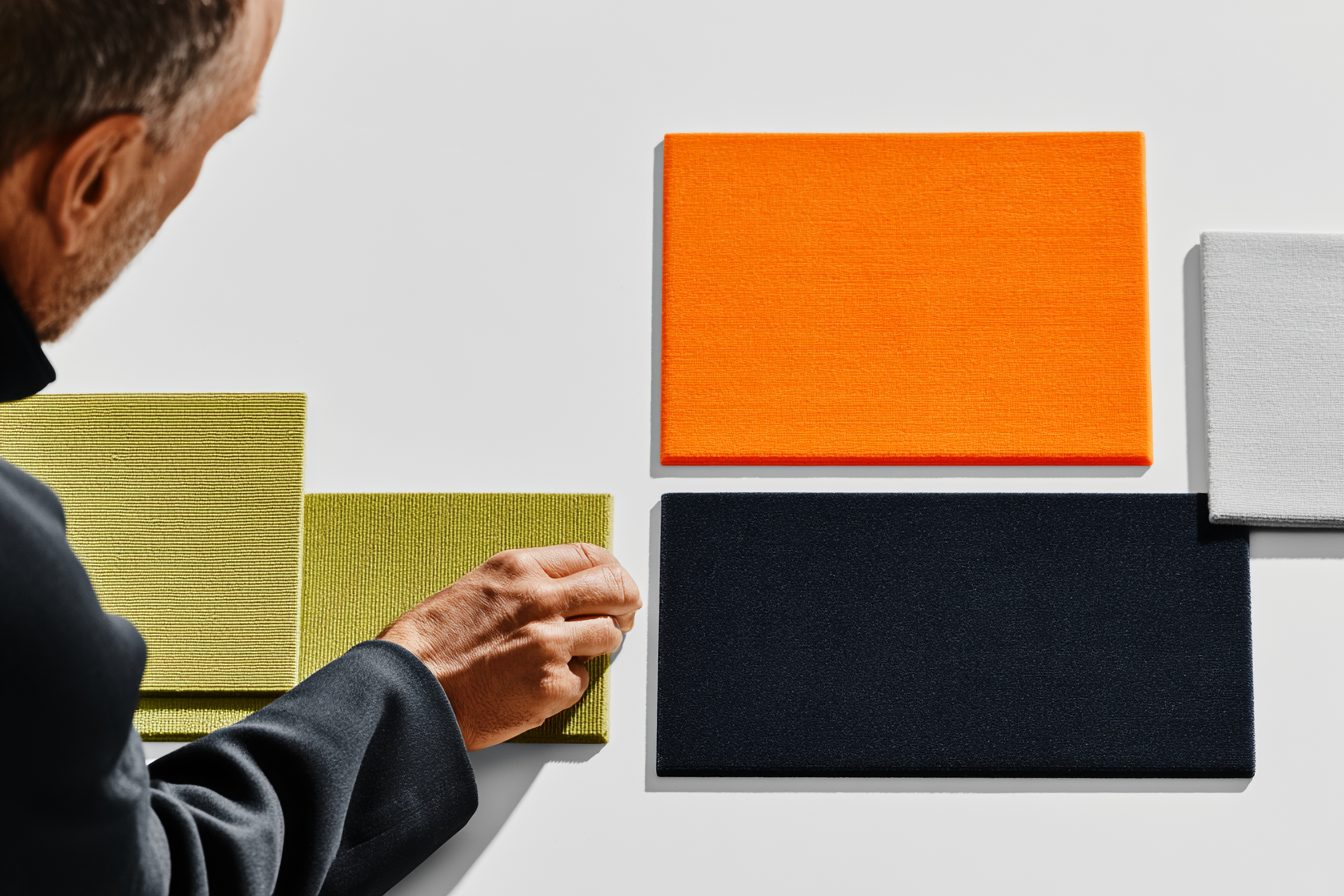
Most lab dips that pass tolerance still wait days for a human to say yes. Here is why that queue exists, and how trusted suppliers can close it themselves in DMIx MatchBox.

Permissions work best when they mirror how your organization actually operates: as teams, not as a list of names.

Rush samples, last-minute color changes, and overnight couriers all carry an environmental cost nobody tracks. Removing the step, not greening it, is the real sustainability lever.

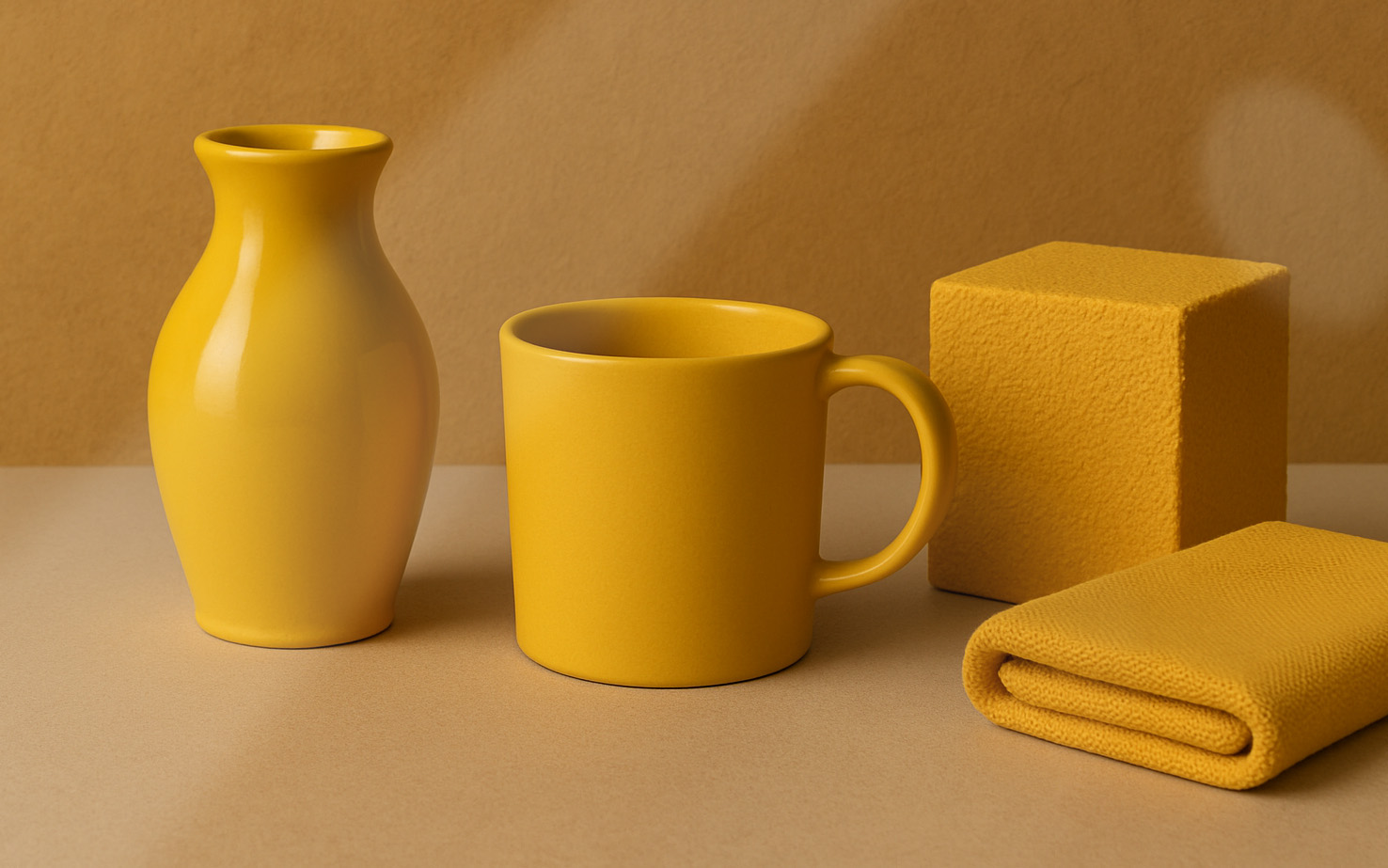
White is the hardest color to get right. See why spectral data, metamerism, and OBAs decide what white really means, and how DMIx holds one White Point across Tier 1-4 suppliers.

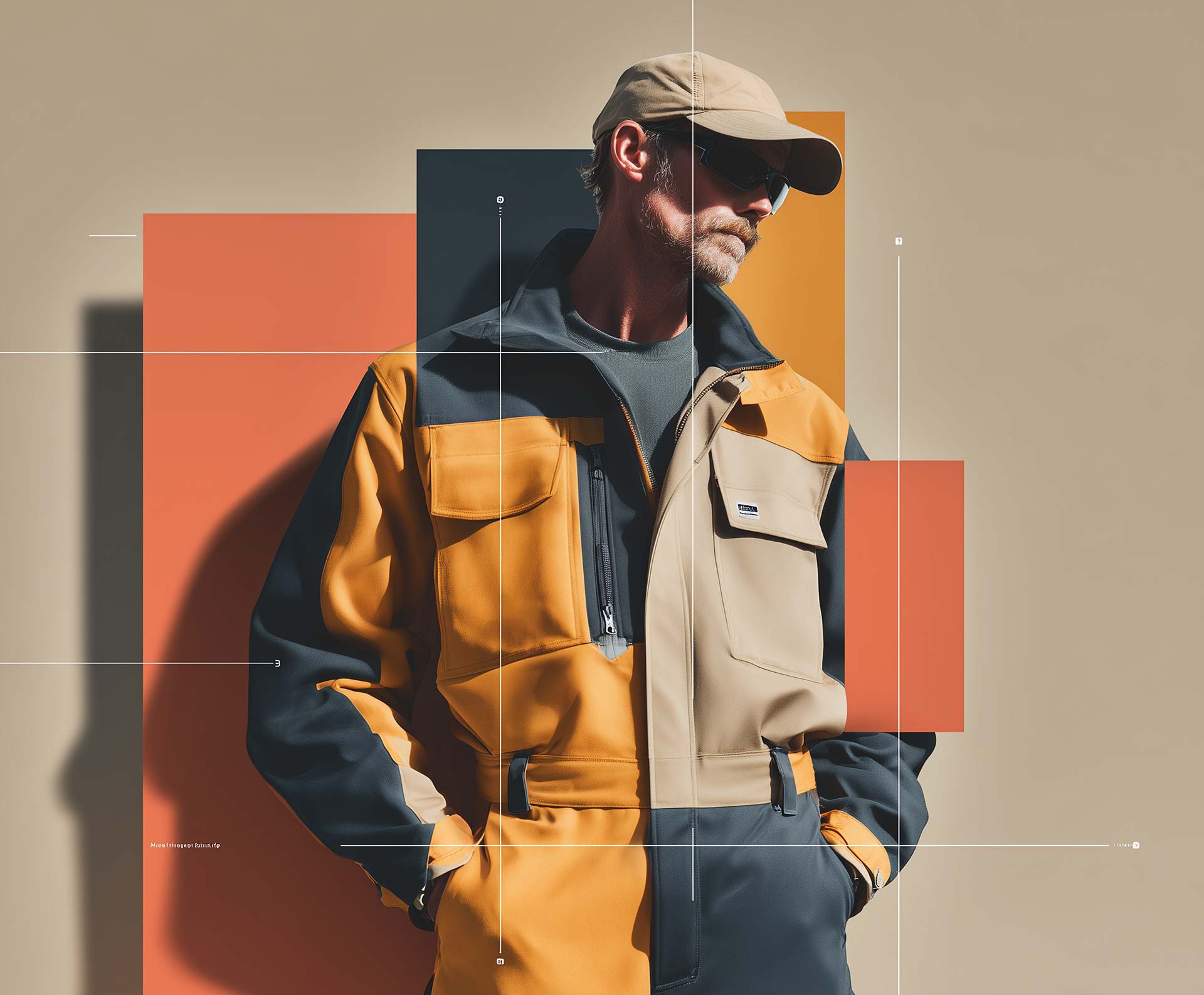
Workwear color consistency starts with spectral measurement. See how DMIx and MatchBox eliminate supplier deviations across every batch.

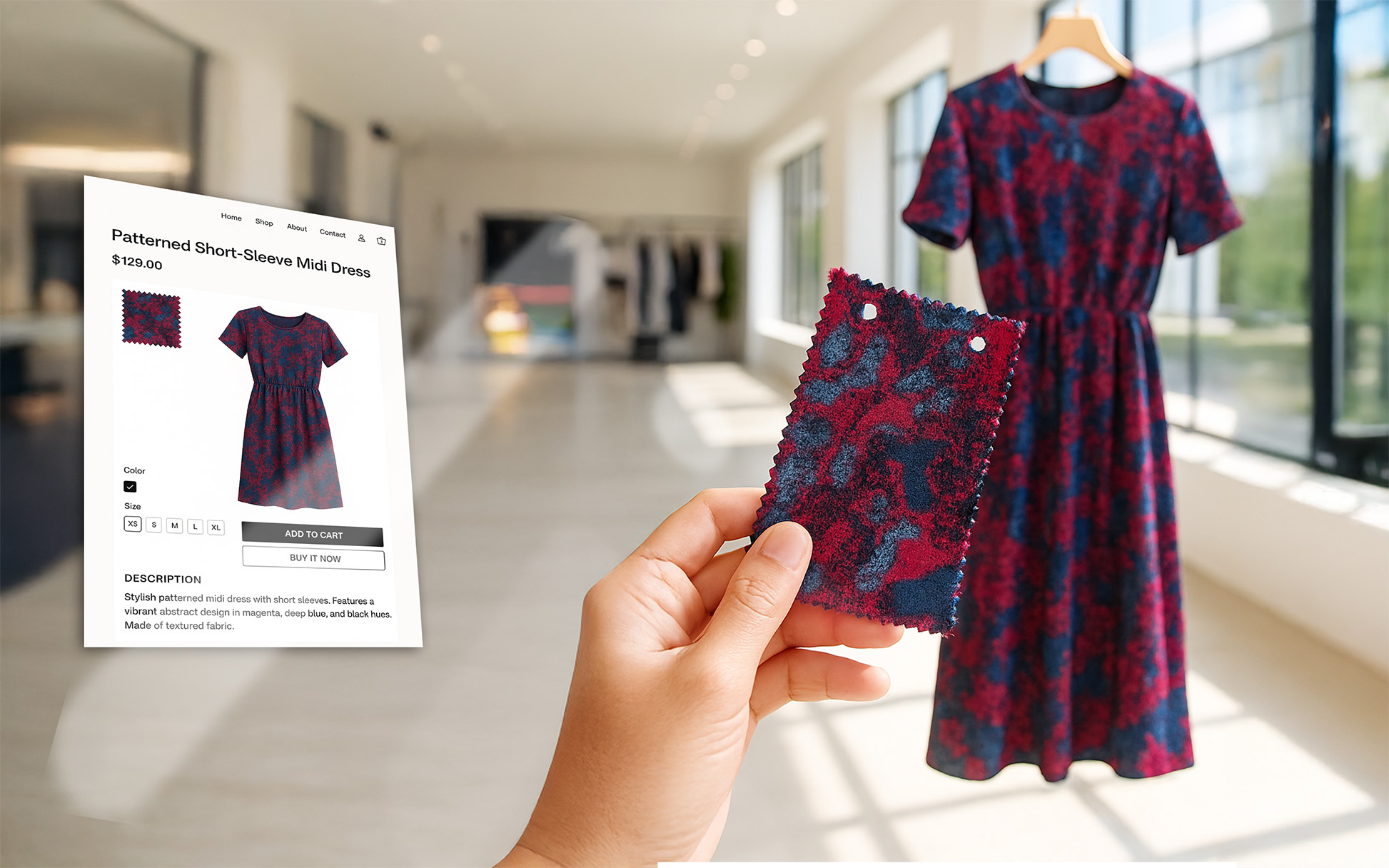
Digital color management closes the gap from design to commerce. See how DMIx SamplR replaces lab dips with calibrated digital twins.

Spectral color is the future of brand identity. Why RGB and CMYK fall short for designers, agencies, and CMF teams, and how to lead the shift.

DMIx for seamless collaboration: digital handshake, 3D material library, digital lab dipping, spectral color across brands and suppliers.

Digital color standards in textiles: why Delta E, metamerism, and dynamic tolerances are the cornerstone of trust in CMF and supply-chain quality.

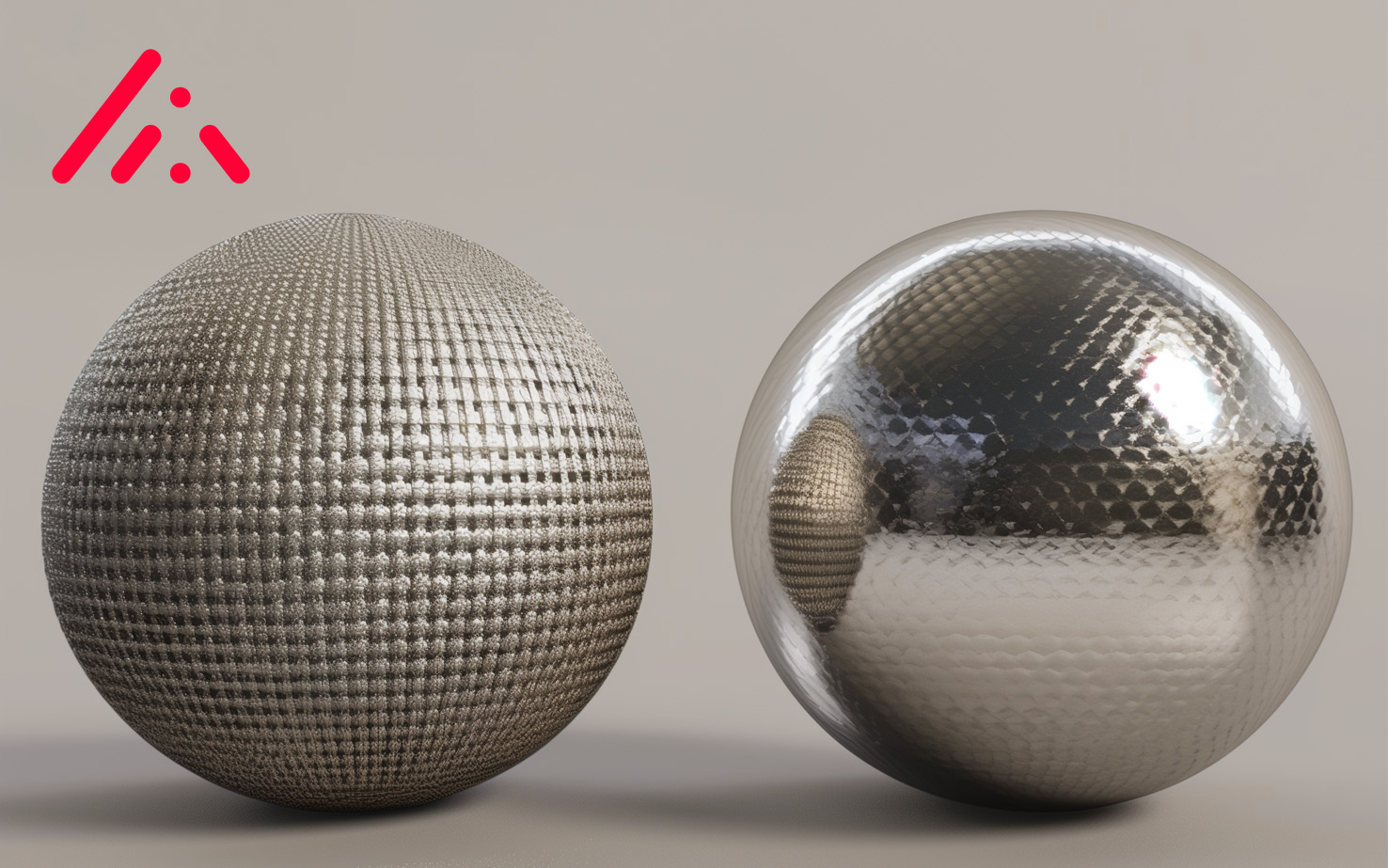
Specular vs. metalness in PBR materials. Why DMIx prioritizes the specular workflow for true digital twins, and where metalness still wins.

How Bru replaced regional color discrepancies and physical sample shipments with a digital, scalable color workflow on DMIx.

CMF design, color, material, finish, decides how a product feels. See how DMIx transforms CMF with spectral color, digital twins, and 3D.
我们使用 Cookie 来运行本网站,并在征得您同意后,了解使用情况并改进内容。您可以随时更改选择。 阅读隐私政策.