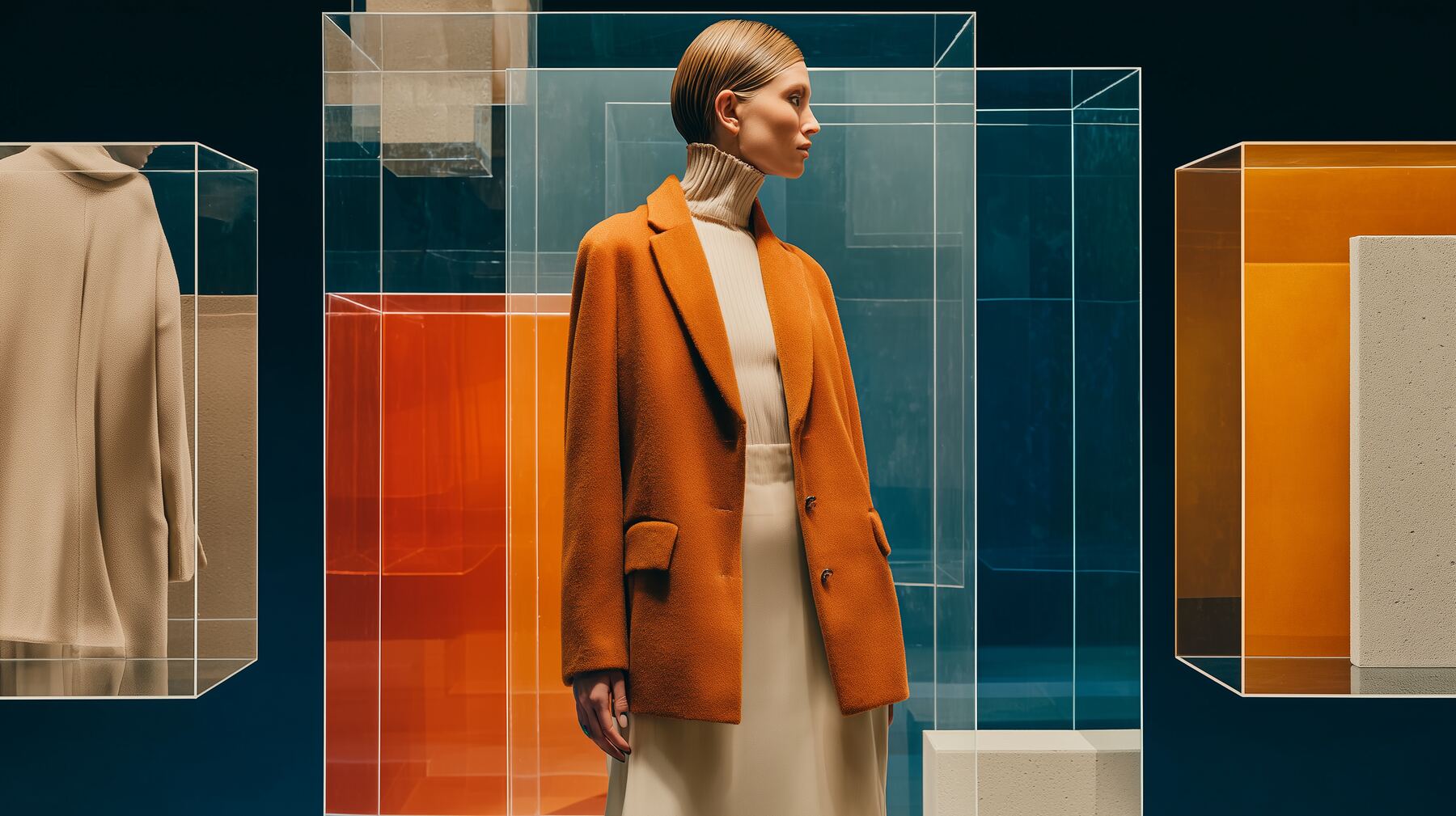
The color was approved once. By the time it reaches the product page, it has been reinterpreted four times.
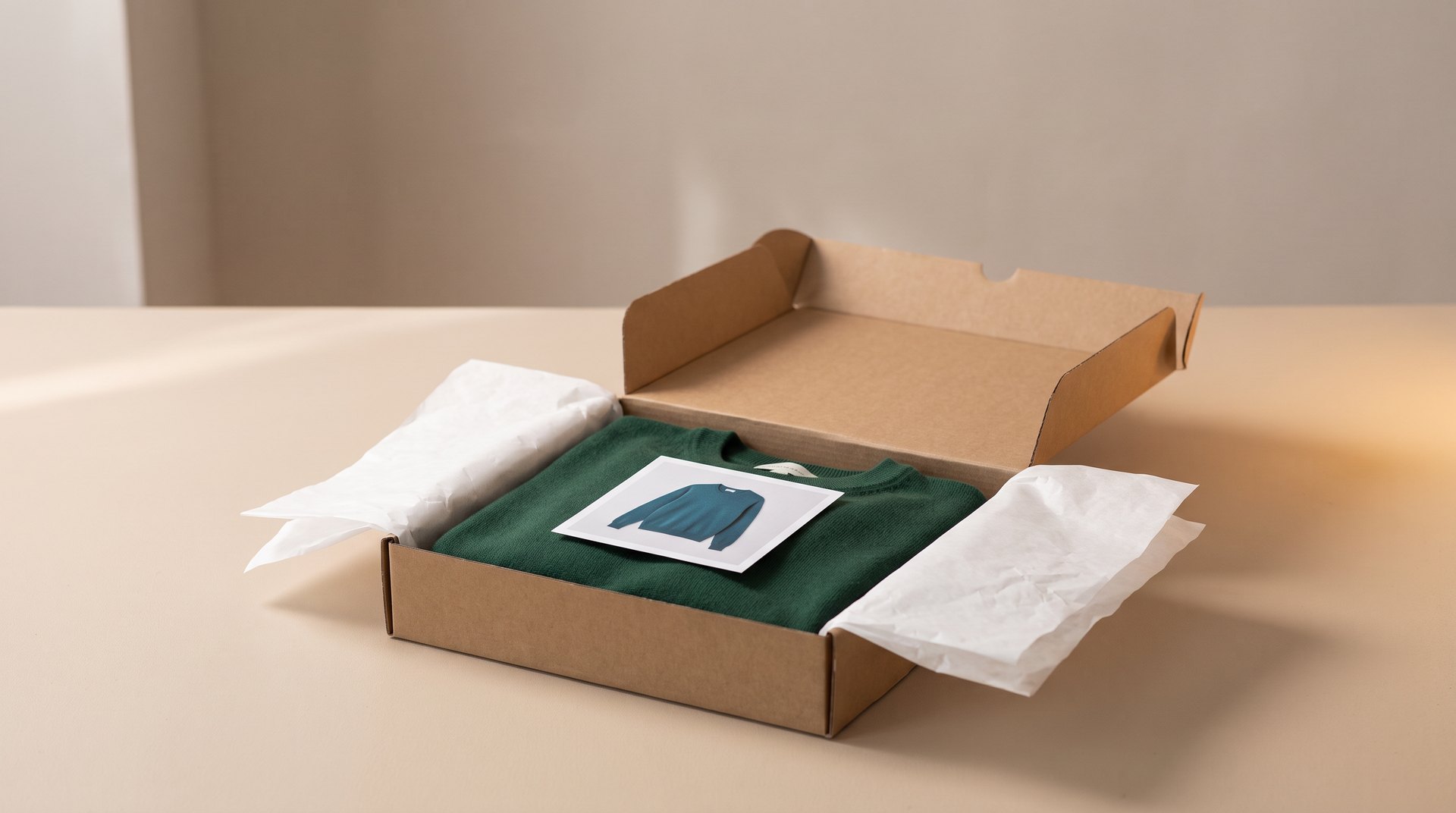
Quick answer
After size and fit, color is the most cited reason fashion bought online is sent back. In a 2023 survey of US apparel brands and retailers, 16% named color as their top return reason. The cause is rarely the product itself. It is the chain between the physical sample and the product image, where every step adds its own reading of the color. A verified, color-accurate reference that every step works from closes that gap at the source.
How often color sends fashion back
The numbers depend on who is asked and how, so it is worth reading them with their method.
- United States. Coresight Research estimates that 24.4% of online apparel orders were returned in the twelve months to March 2023, based on a survey of 100 decision-makers at US apparel brands and retailers. Asked for their top return reason, 53% named size and fit, 16% named color and 10% named damage (Coresight Research, 2023).
- Germany, Austria, Switzerland. In the 2025 survey of the EHI Retail Institute, 12.2% of online fashion retailers reported getting back more than half of all orders, and 24.5% reported return rates between 36% and 50% (EHI Retail Institute via TextilWirtschaft, 2025).
Size and fit get most of the attention, and most of the technology budget. Color sits right behind them, and unlike fit, it is decided long before the shopper sees the product.
Four reinterpretations between sample and screen
Nobody in the chain does anything wrong. Each step simply works from its own version of the color.
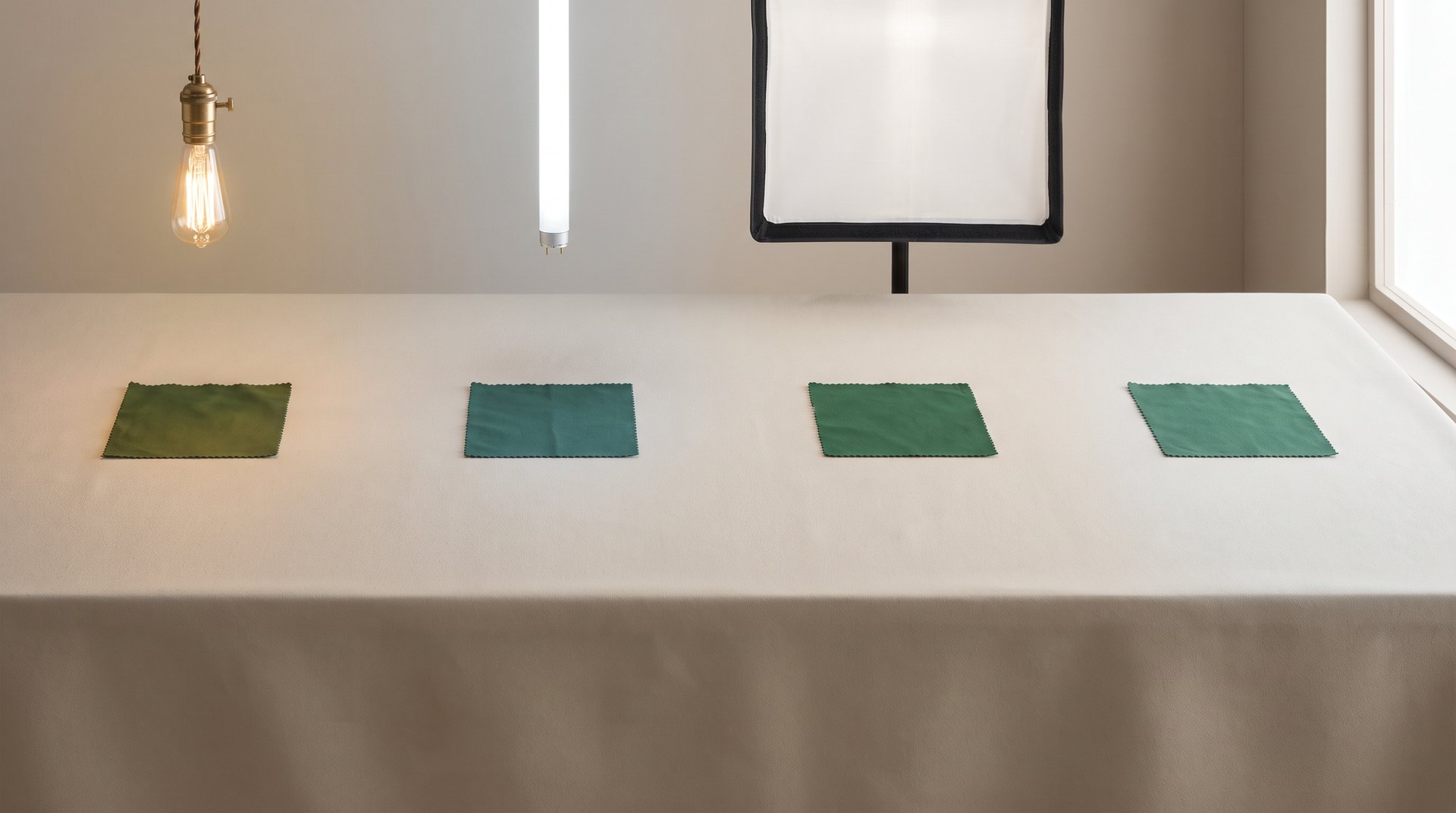
- The sample. The photo studio receives a physical swatch or a pre-production piece. It may not be from the final batch, and it is judged under whatever light the studio has.
- The photo. The camera records the garment under studio light. A warm key light and a cool fill already shift how the color reads.
- The retouch. The retoucher corrects the image to match the sample, on their own monitor, often holding the swatch next to the screen or working from a phone photo of it.
- The page. The marketplace or shop system compresses and reprocesses the image for its own environment.
Every one of these steps happens before the shopper's own screen, and every one of them can be controlled. That is where the color is usually lost, and where it can be kept.
What changes with a verified reference
The fix is not a better photographer. It is a reference that every step can trust, delivered in a form each step can use.
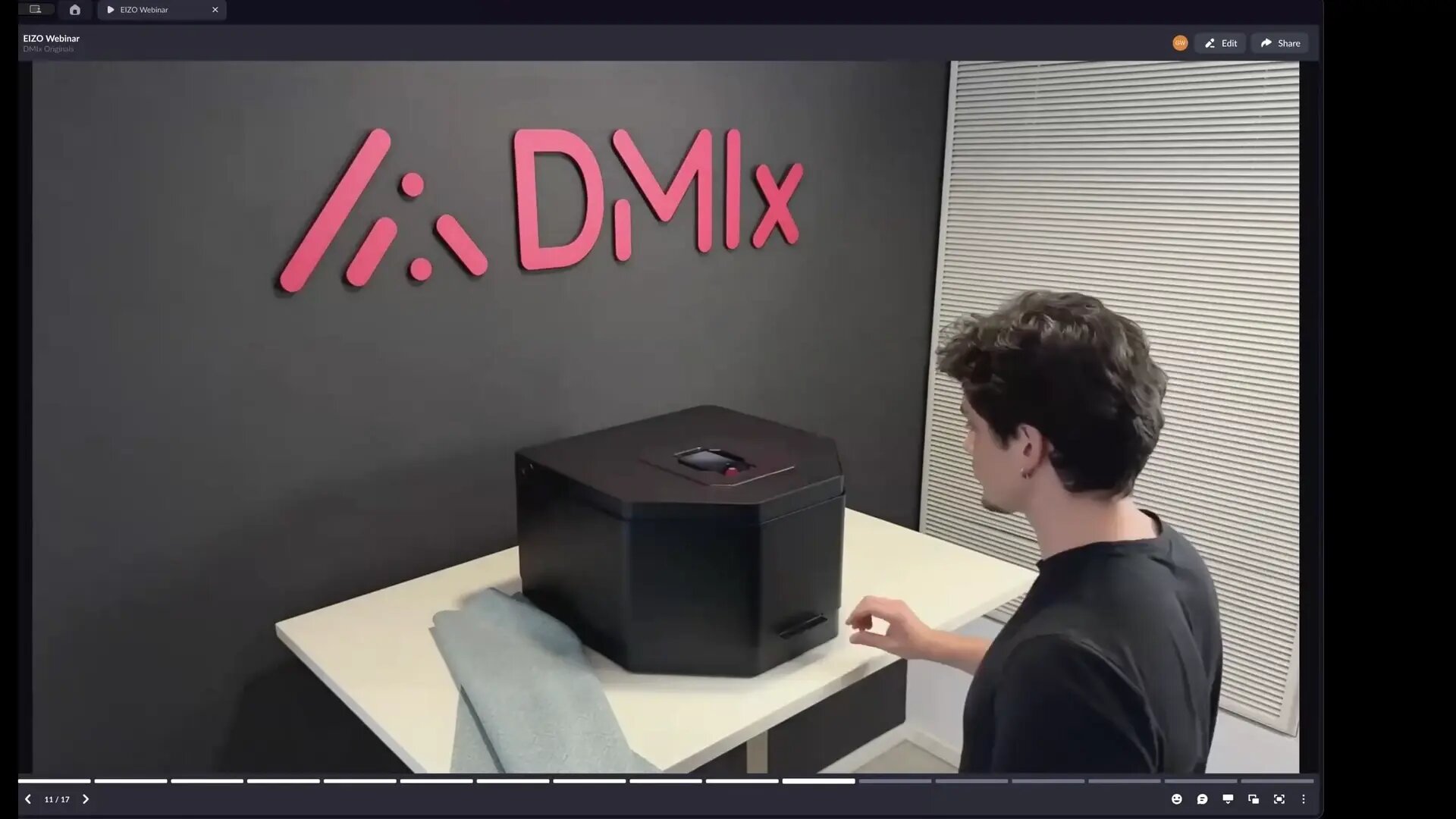
- Capture the material once, color-accurately. DMIx SamplR captures color, surface and structure of the material in one scan under controlled light, and uploads it to the DMIx library.
- Deliver it to each screen correctly. Each user uploads the ICC profile of their monitor to DMIx, and the platform adjusts the display to that screen. Screen sizing shows a check pattern at its real size.
- Show it on a monitor that can be trusted. A calibrated monitor with a wide color gamut and uniformity correction shows what is actually in the file.
- Retouch against the file, not the swatch. The retoucher downloads the scan and places it directly into the Photoshop file as the target.
- Use the same reference everywhere. The same scan feeds 3D, AI-generated imagery and the product page, so the color is decided once.
In the EIZO x DMIx webinar, retouch artist Jan Wischermann showed this live: two garments matched in Photoshop against SamplR scans, on a calibrated EIZO ColorEdge monitor. Read the case study.
Where to start
Start with one product group, not the whole range. Pick the category where return comments mention color most often, scan its master materials, and route its retouching through the reference. Then compare the share of color-related return reasons for that group with the season before. Your own return data is the most convincing benchmark you will get.
Next steps
See how verified material data fits into content production in the E-commerce content use case, or look at the device behind it on the SamplR module page. Book a demo and we will scan one of your materials with you.
Frequently asked questions
- What share of fashion returns is caused by color?
- In Coresight Research's 2023 survey of US apparel brands and retailers, 16% named color as their top reason for online returns. Only size and fit ranked higher, at 53%.
- Why do product colors look different online than in reality?
- Because the color is reinterpreted at every step between the physical sample and the product page: under studio light, on the retoucher's monitor, and in the shop's image processing. Without one verified reference, each step makes its own assumptions.
- Is a calibrated monitor enough to get product colors right?
- A calibrated monitor shows the file correctly. The target still has to be right: the retoucher needs a color-accurate reference of the actual material, not a phone photo of a swatch. Both together close the gap.