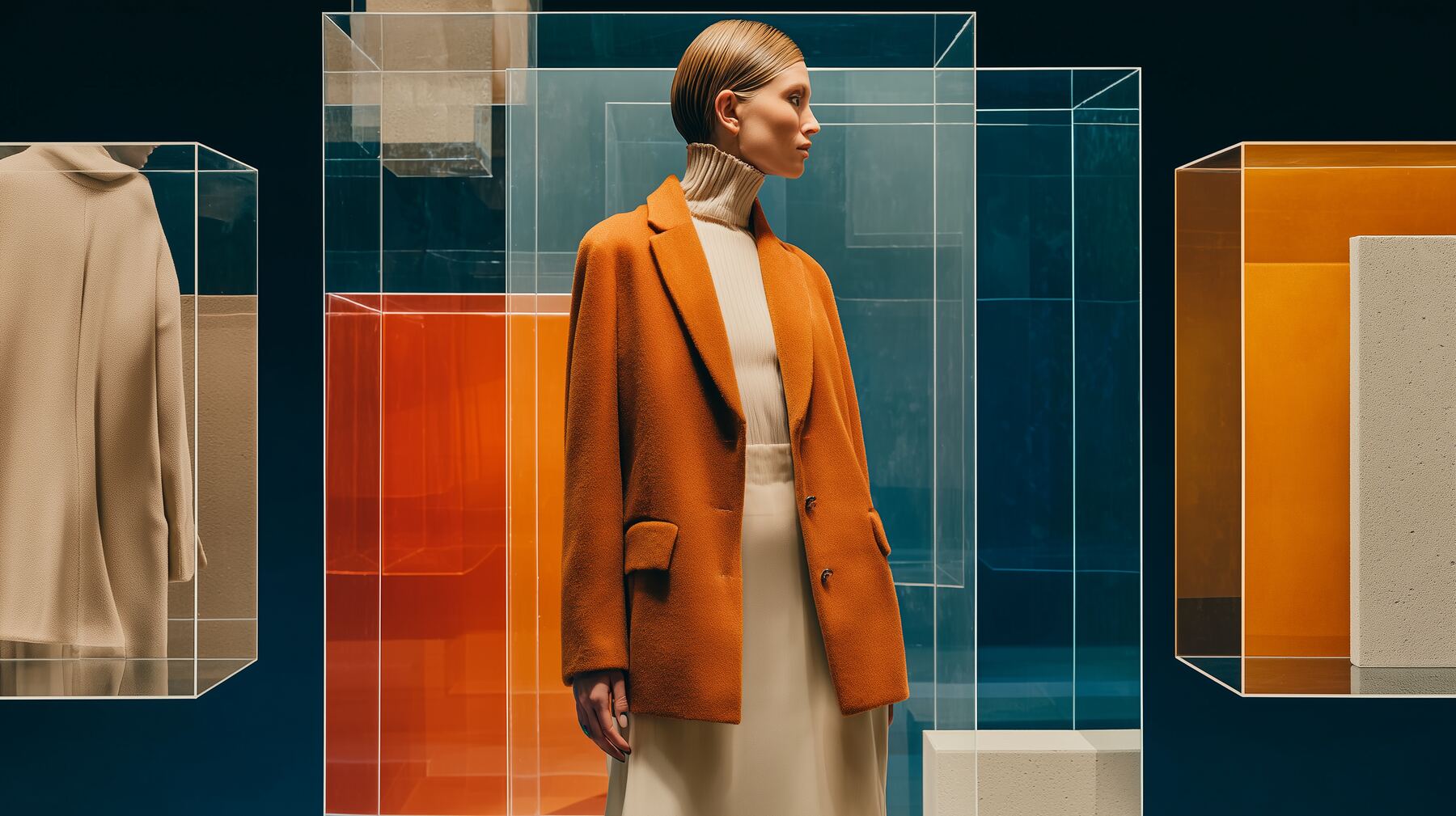
与实物一致的产品图像。
Color is the second most cited reason fashion bought online comes back, after size and fit (Coresight Research, 2023). DMIx puts verified product color and material data at the center of content production, so photographers, retouchers and 3D teams all work from the same color-accurate reference.
为何如今色彩与材料会出现偏差。
The customer did not return the product because of a sizing issue or a manufacturing defect.
They returned it because it looked different. The blue online was cooler than the blue in the box. The fabric appeared smooth on screen and had visible texture in hand. The image showed a warm neutral; the product arrived clearly pinkish.
These are not photography errors. They are data gaps.
When color and material data does not exist as a verified reference (when the product photographer is working from a physical sample under studio lights, a retoucher is adjusting to their screen calibration, and a downstream marketplace is re-processing the image for their own environment) every step in the pipeline introduces its own interpretation.
The resulting image is not a lie. But it is not the product.
In US apparel e-commerce, an estimated 24.4% of online orders are returned, and 16% of brands and retailers name color as their top return reason (Coresight Research, 2023). In Germany, Austria and Switzerland, 12.2% of surveyed online fashion retailers get back more than half of all orders (EHI Retail Institute, 2025).
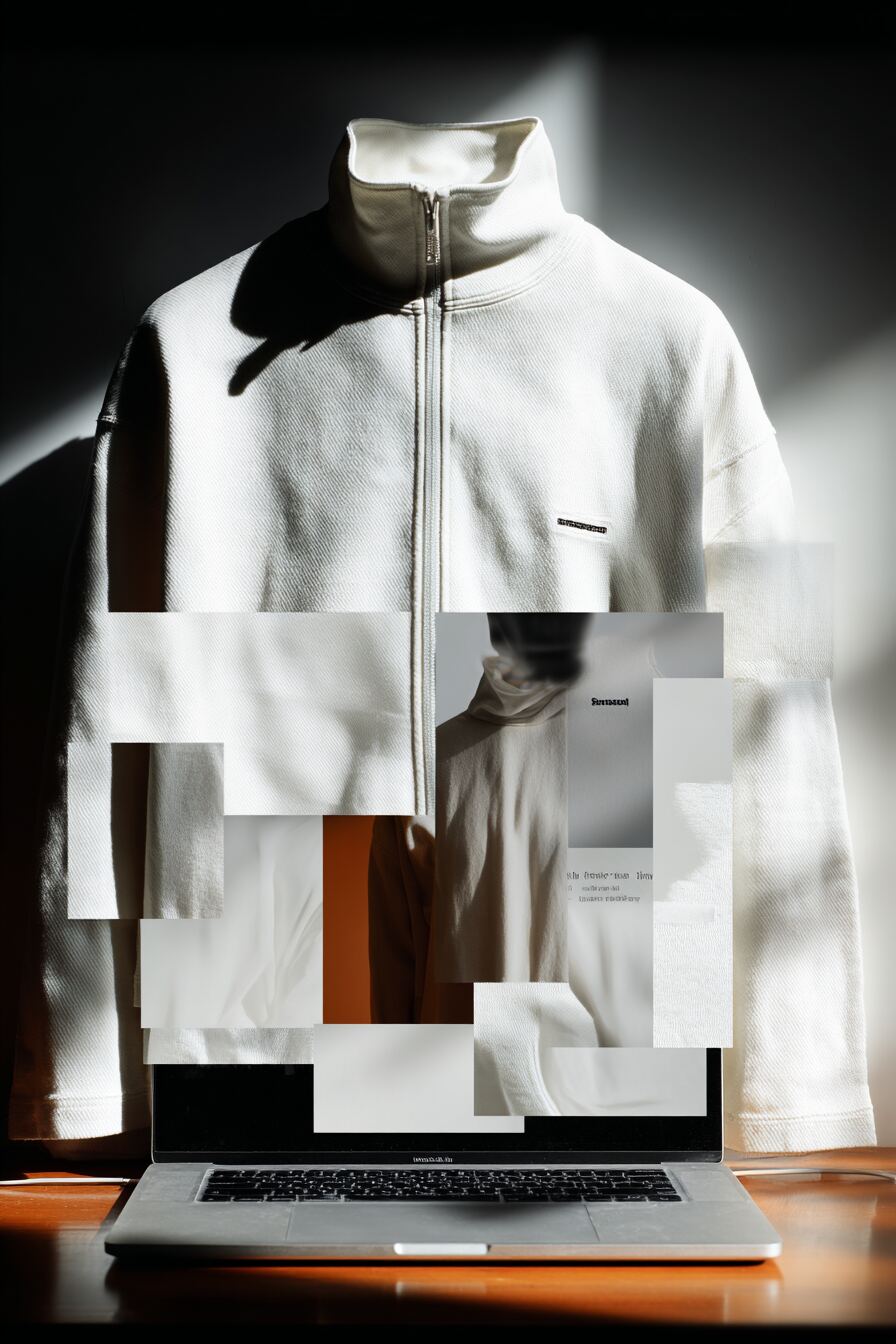
从共同假设到共同事实。
DMIx anchors content production to the same measured material and color data that governs physical quality control.
SamplR captures the material's true color, surface appearance, and visual properties in a single scan. That data feeds directly into the content workflow, giving photographers, retouchers, and digital asset teams a calibrated reference that reflects the actual product, not a subjective interpretation of a physical sample under variable light.
For product teams already working in 3D, DMIx material data integrates with PBR rendering pipelines, so digital renders reflect the true appearance of the material before the product has been physically produced.
The result: product images built on a verified reference, not on a sample held up under studio light.
See it in practice: EIZO x DMIx case study.
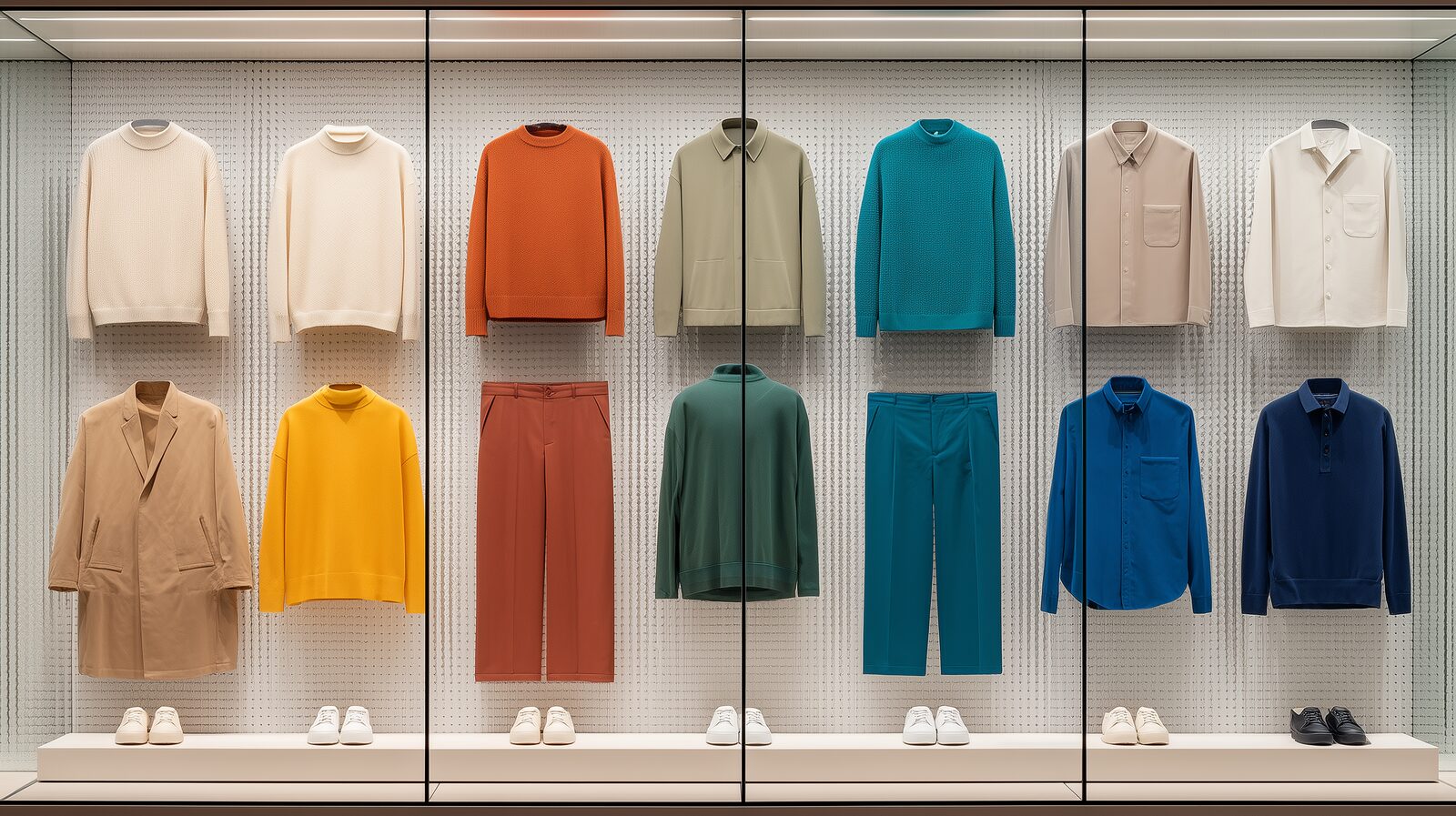
与实物一致的产品图像。
可量化的改变。
- ●One reference for photo, retouching and shop.
When content is built on verified material data, the gap between online and physical closes.
- ●Lower retouch costs.
A calibrated reference shortens the back-and-forth between photo studio, retouching and approval.
- ●加快内容制作流程。数字参考即时可用,内容团队无需等待生产端寄送实物样品。.
- ●确保跨渠道产品展示一致。同一套经过验证的数据可供所有下游环境使用,涵盖内部系统、电商平台和批发合作伙伴。.
The appearance mismatch problem is structural. Size and fit lead the return statistics, and color comes next: 16% of US apparel brands and retailers name it as their top return reason (Coresight Research, 2023). Every step between the physical sample and the product page adds its own interpretation of the color. The answer is a verified reference, not a better photographer.