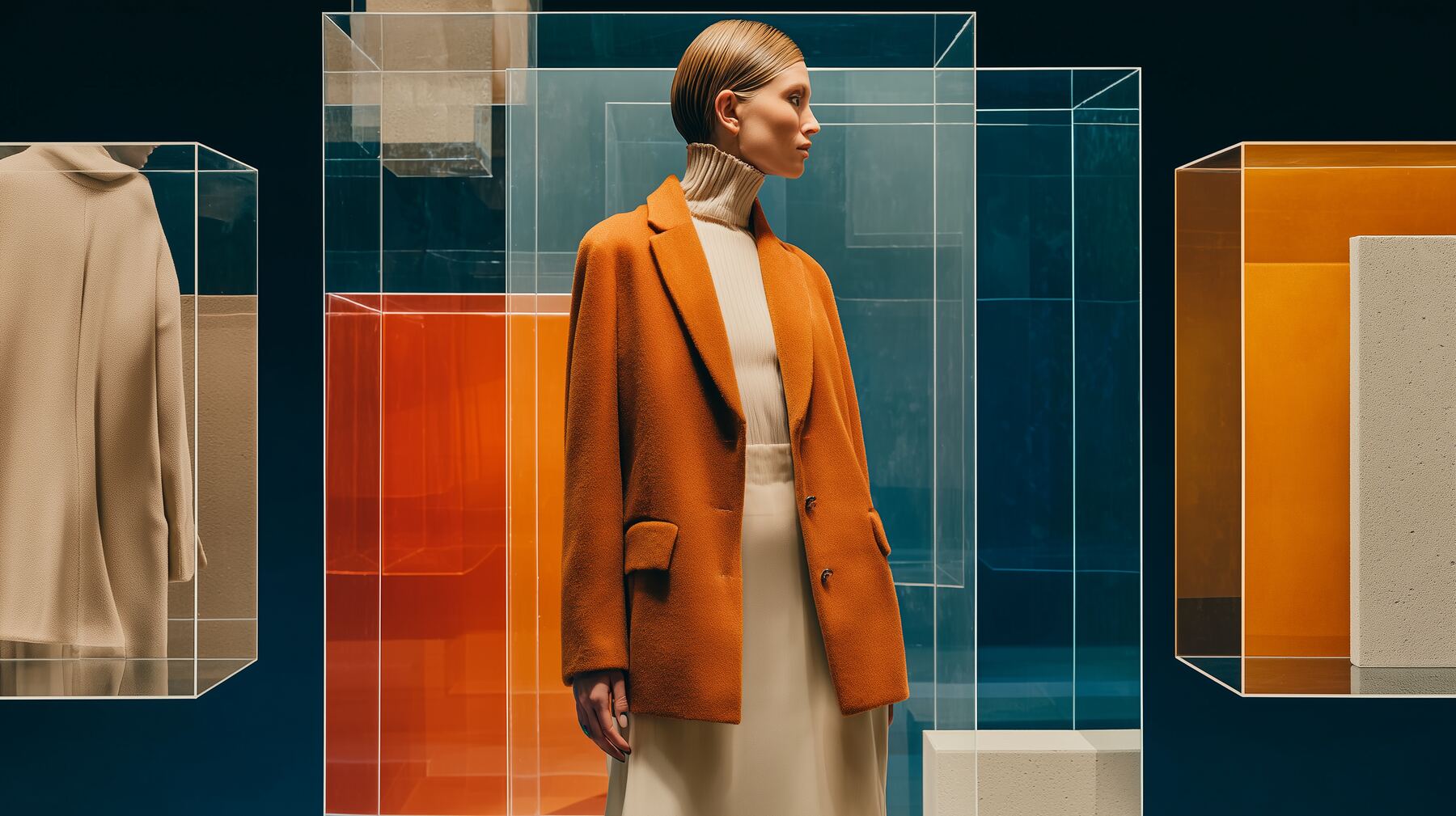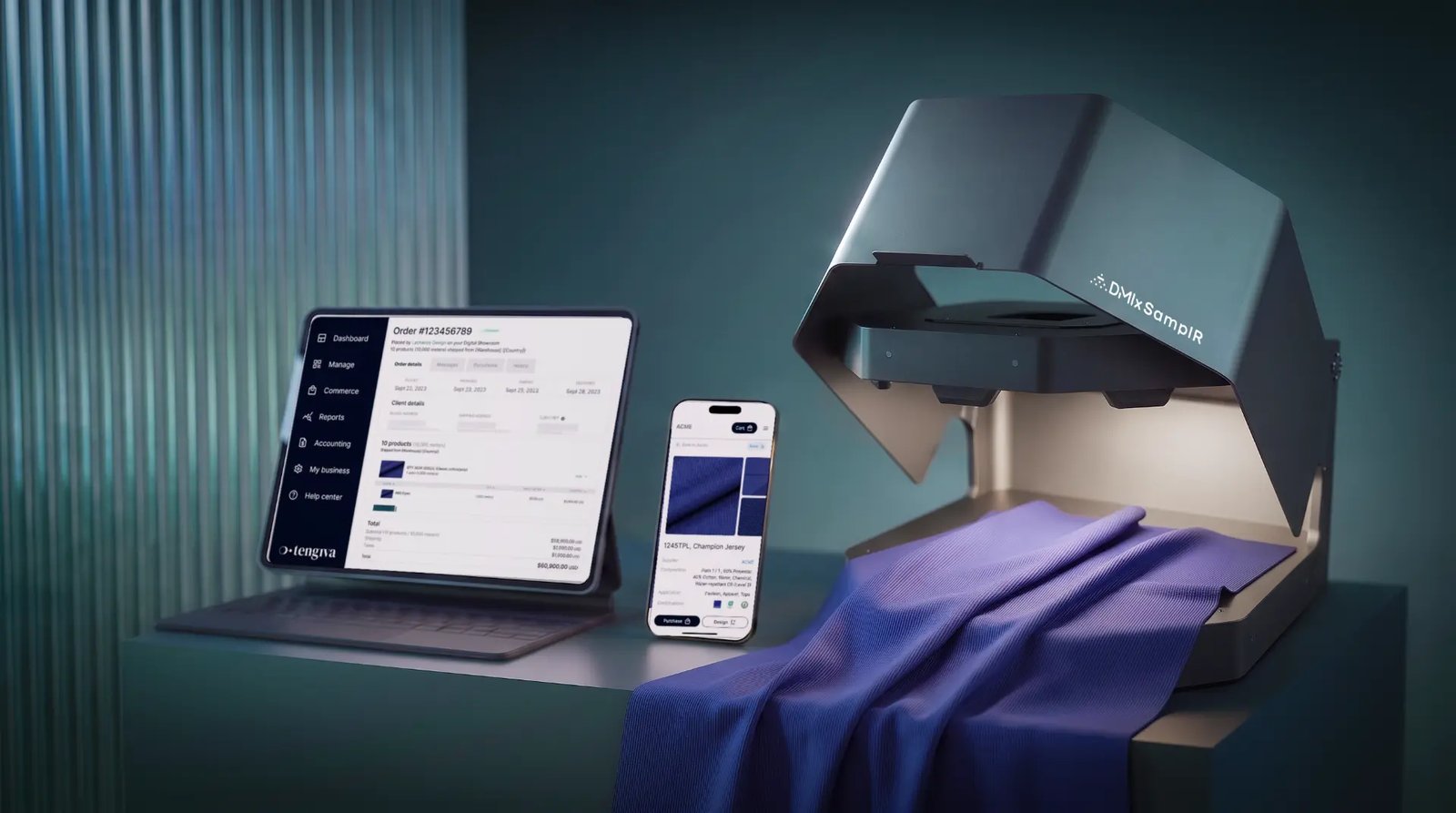
DMIx and Tengiva now connect material digitization with B2B sales. A material digitized in DMIx reaches the supplier's own online shop with one button press, so a sale can start before the first swatch ships.
Quick answer
A textile supplier can sell fabric online once every material has product images a buyer can rely on. DMIx renders those images from a single SamplR scan, standardized for every material, and with the new DMIx and Tengiva integration the supplier publishes them to its Tengiva-powered digital showroom and B2B storefront with one button press. The buyer browses and orders there, and each material stays linked to its article number and supplier.
Why a fabric sale still starts with a courier
A buyer finds a fabric that might work. Before anything else happens, they ask for a swatch. The supplier cuts it, labels it and ships it, and the conversation pauses until the parcel arrives. If the buyer wants three alternatives, that means three more swatches and another wait.
Nobody in that chain is doing anything wrong. The buyer asks for a swatch because the photos they receive do not hold up: one shot under the office window, the next under warehouse light, color and texture shifting from picture to picture. A physical sample is the only reference both sides trust, so it becomes the first step of every sale.
The data to change this often already exists. Many suppliers capture material appearance, color and 3D data for design and development teams. It sits in one system, while quotes, orders and customer relationships run in another. The buyer never sees it.
"Photographing thousands of textiles is slow, hard work, and most suppliers simply don't have the time," says Annie Cyr, CEO and Co-Founder of Tengiva. The answer is not more photography. It is one scan per material, from which every product image is rendered the same way.
What a buyer needs to see on screen
A buyer judging fabric on a screen needs what they check on the table: color, surface, structure and how the material falls. DMIx captures these with SamplR, which records a physical material as a standardized digital twin:
- PBR 3D texture, ready for 3D tools and for renders.
- Standardized images under four controlled lighting geometries, so every material in the range is shown under the same conditions.
- A behavior video that shows drape and hand feel, the part of a fabric a still image misses.
- Color managed color capture, recorded under the same controlled conditions as the images, so color stays consistent from one material to the next.
A scan takes just over a minute, needs no cutting and works without a network connection. It needs no 3D or color expertise, so it can sit in the warehouse or at the mill rather than in a photo studio.
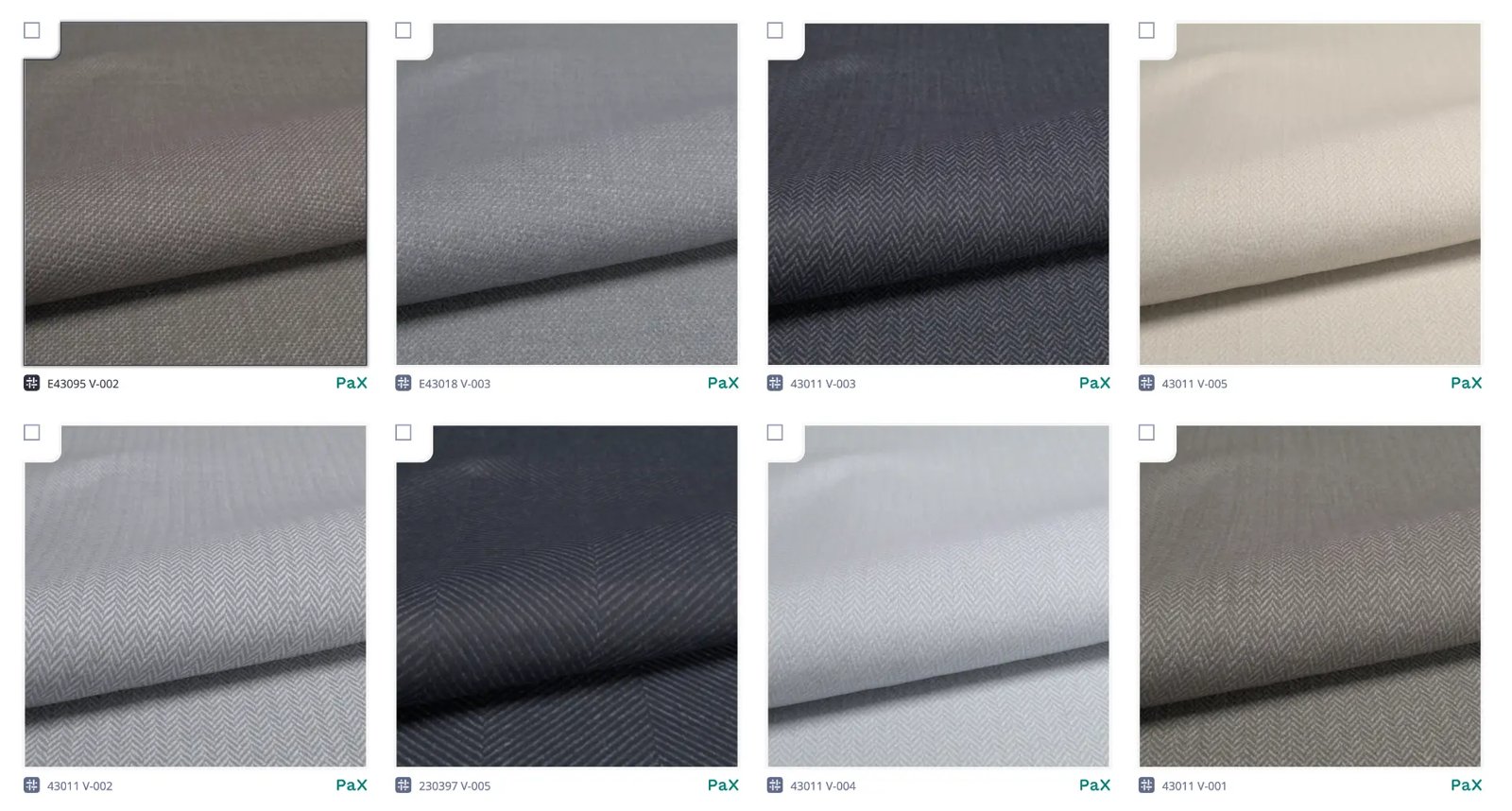
From the scan, DMIx renders standardized product images automatically with V-Ray. Every material is rendered in the same defined setup, so the whole range is shown the same way without a photo session per fabric. These renders are the product images the buyer sees in the Tengiva shop.

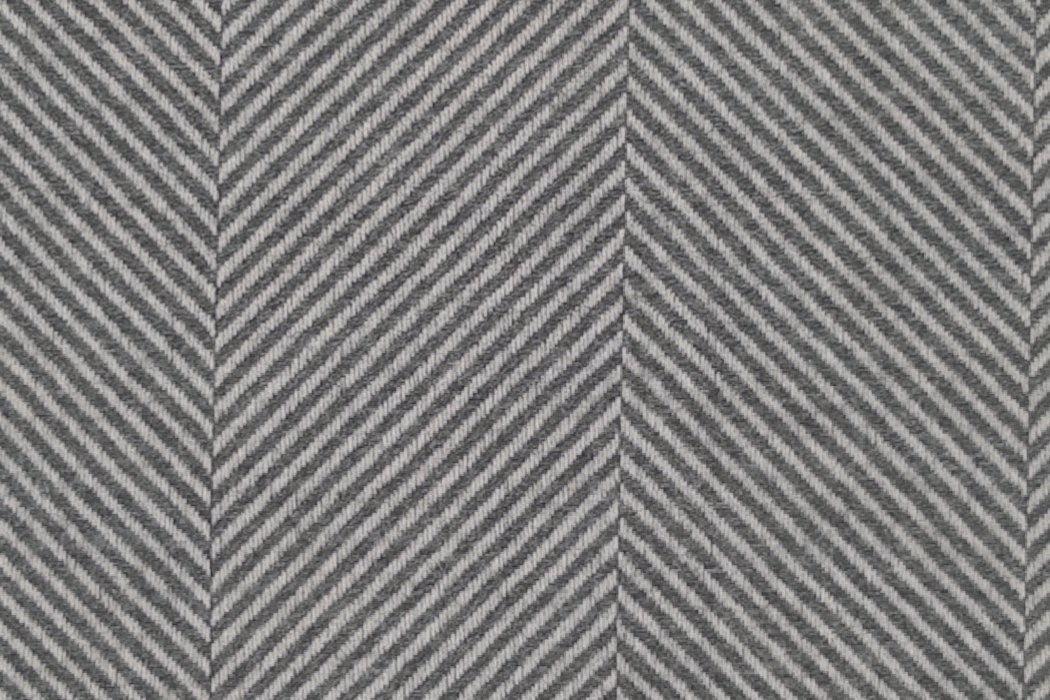
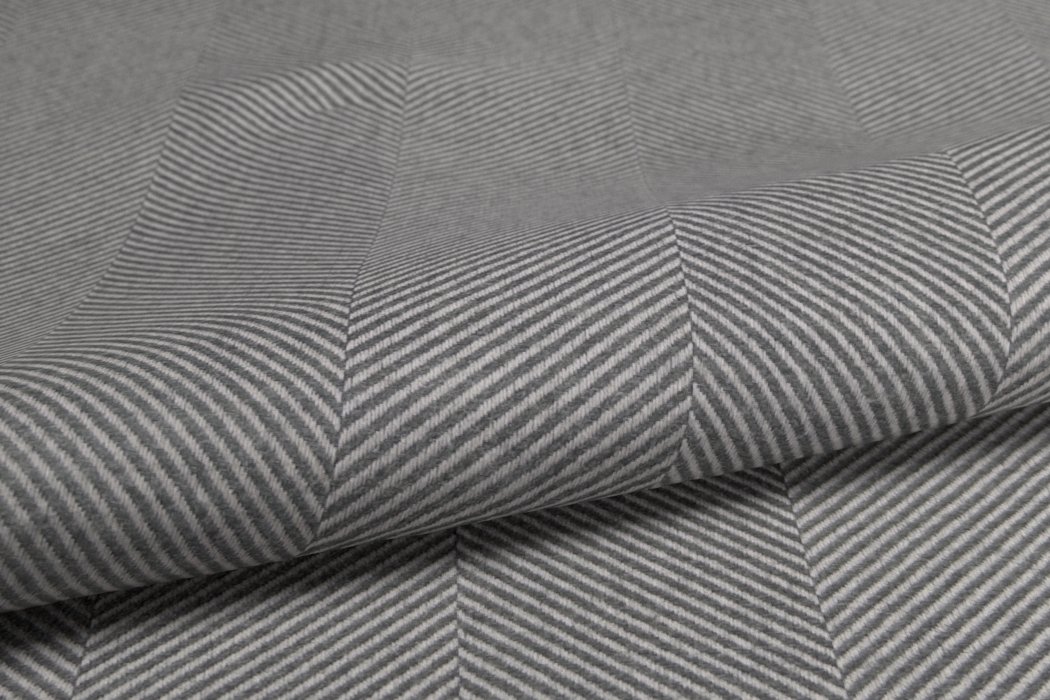
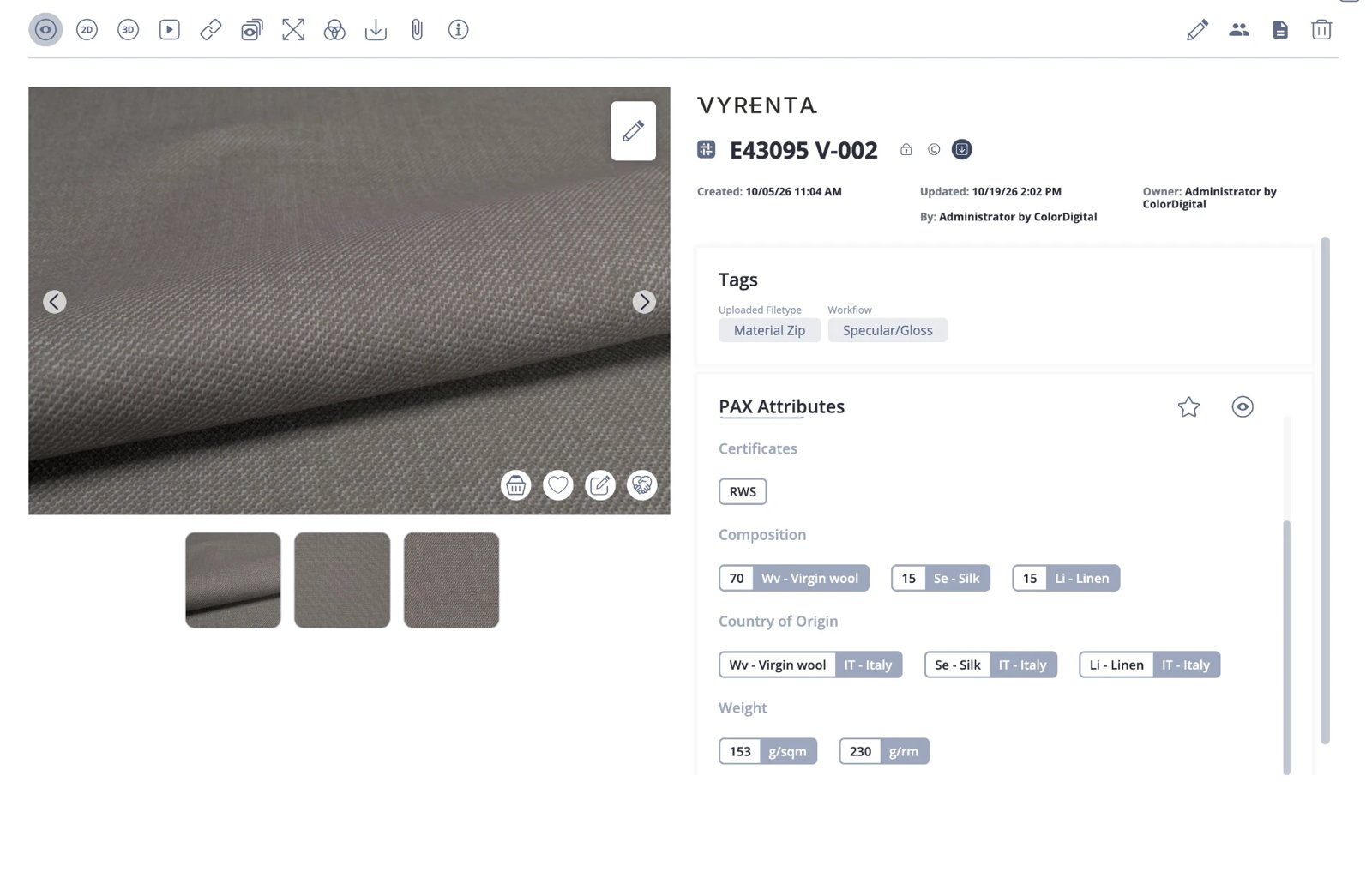
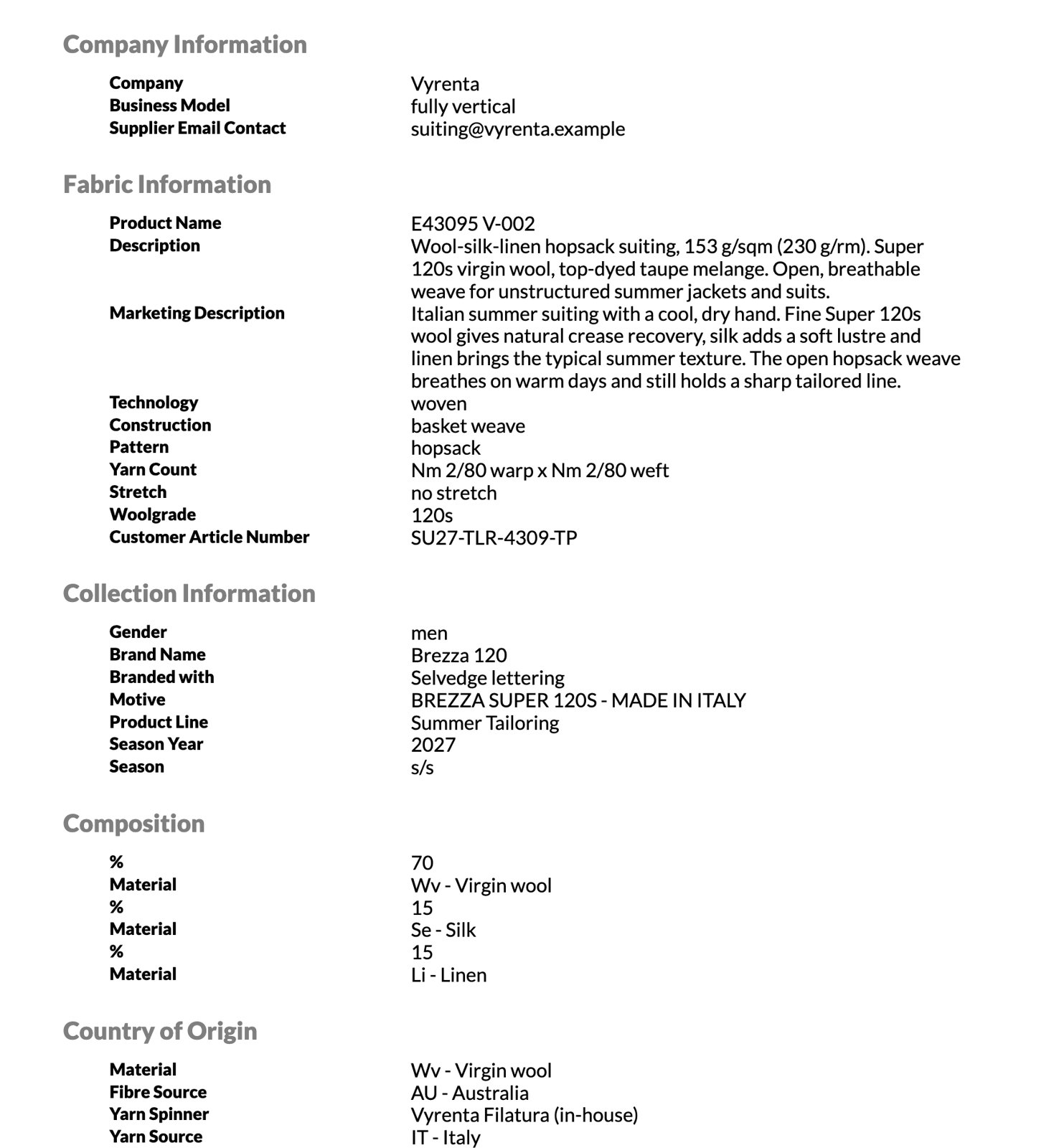
Every material stays connected to its master data, such as article number and supplier. For selling, that link is the point: the material a buyer sees is tied to a material that can actually be ordered.
From DMIx to the shop with one button press
The integration connects the capture to the place where the sale happens. For each material, the supplier chooses what appears in its Tengiva-powered digital showroom and B2B storefront:
- Standardized product images, rendered automatically from the scan
- PBR materials
- Classic images
- Color managed color captures from SamplR
One button press publishes the selection. Tengiva carries the commercial side: digital showroom, order management, customer relationships, sales channels and purchase orders. The buyer browses the range and orders in the same shop.
The capture keeps working beyond the shop. The PBR material a buyer sees is the same asset a 3D team can use in its design tools, so the material in a render and the material in an order are one record, not two versions. The integration is built for textile suppliers, mills and garment producers that offer full-package services.
Selling from a screen only works if what the buyer sees is what arrives. That is why the material is captured once, under defined conditions, and that same capture is shown everywhere.
Where color approval fits
The shop integration carries appearance: what a material looks like and how it behaves. Color approval is a separate step, and it stays in DMIx.
Lab dip approval runs in DMIx MatchBox. MatchBox compares each lab dip against the digital color standard and returns a result against defined tolerances. That workflow does not run through Tengiva. Suppliers who sell through the shop and also approve colors for their brand customers add MatchBox as a module in DMIx. Both jobs then sit in one system: the material record that sells and the color record that gets approved.
The distinction matters for what a buyer can rely on. SamplR's color capture is color managed appearance capture from images, made to show a material consistently. Spectral measurement, the basis for approving a color against a standard, comes from spectrophotometers through MatchBox, across the visible range from 400 to 700 nm. Keeping the two apart lets each one be precise about what it delivers.
What you need
- Materials digitized in DMIx, typically captured with SamplR.
- A Tengiva-powered digital showroom and B2B storefront.
- For DMIx clients, the integration is free until November 2027. Special terms apply.
Existing DMIx clients get activation details from their DMIx representative. Suppliers and garment producers not yet working with DMIx can book a discovery meeting.
Next steps
Start with one material family: capture it with SamplR, publish it to your shop, and send your buyers the link before the first round of swatches.
- See how SamplR captures a material.
- Add lab dip approval with MatchBox.
- Read Tengiva's announcement: Tengiva and DMIx partner to connect material digitization with B2B sales.
- Book a discovery meeting.
Frequently asked questions
- Can I sell fabric online without sending physical samples first?
- Yes, the first steps move online: a buyer can shortlist, compare and order on standardized product renders, video and color captured under controlled conditions. Some buyers will still want a physical sample before a large order, as a final check of hand feel. That swatch then goes to a buyer who has already chosen the material, not to everyone who might be interested.
- Is the color shown in the shop a spectral measurement?
- No. The SamplR color capture is color managed appearance capture from images, recorded under controlled lighting. Spectral color data comes from spectrophotometers through DMIx MatchBox, which handles lab dip approval as a separate module in DMIx.
- What does the integration cost for DMIx clients?
- The Tengiva integration is free for all DMIx clients until November 2027. Special terms apply. Existing clients get the details from their DMIx representative, and new suppliers can book a discovery meeting.