

Sell and market before the bulk arrives.
When your material library lives digitally, with verified color and surface data, it becomes the foundation for sales tools, partner portals, and product presentations that don't depend on physical samples being in the right hands at the right time.
Why color and material drift today.
A physical sample catalogue has three problems: it is expensive to produce, it is expensive to update, and it is always out of date.
For fabric distributors, material manufacturers, and brands with large material libraries, the challenge is not a lack of product. The challenge is making the right product visible, to the right designer, buyer, or partner, at the right moment in their development process.
Physical samples get lost. They are not searchable. They reflect the collection as it was, not as it is. They cannot be filtered by spectral proximity, substrate, or compliance attribute. And they require someone to be in the same physical location as the sample to evaluate it.
The cost of this is not just operational. It is competitive. Every time a buyer cannot find the right material in your library, they find it somewhere else.

From shared assumption to shared fact.
DMIx builds a permanent, searchable digital library of every material in your portfolio, complete with spectral values, surface appearance data, compliance attributes, and all relevant metadata.
That library becomes the foundation for multiple downstream applications.
For sales and partner access, the DMIx AppLink and API enable external platforms (distributor portals, brand partner systems, or custom-built buyer tools) to pull material data, images, and spectral references directly from DMIx. Partners access your catalogue digitally without waiting for physical samples.
For design and product development, the visual search in DMIx lets designers find materials by color proximity, material category, or attribute and drag and drop them directly into CLO 3D or other design environments.
For internal teams, the digital library replaces the stock catalogue that was updated only per collection, that lived on a specific person's desk, and that was regularly misplaced or out of date.
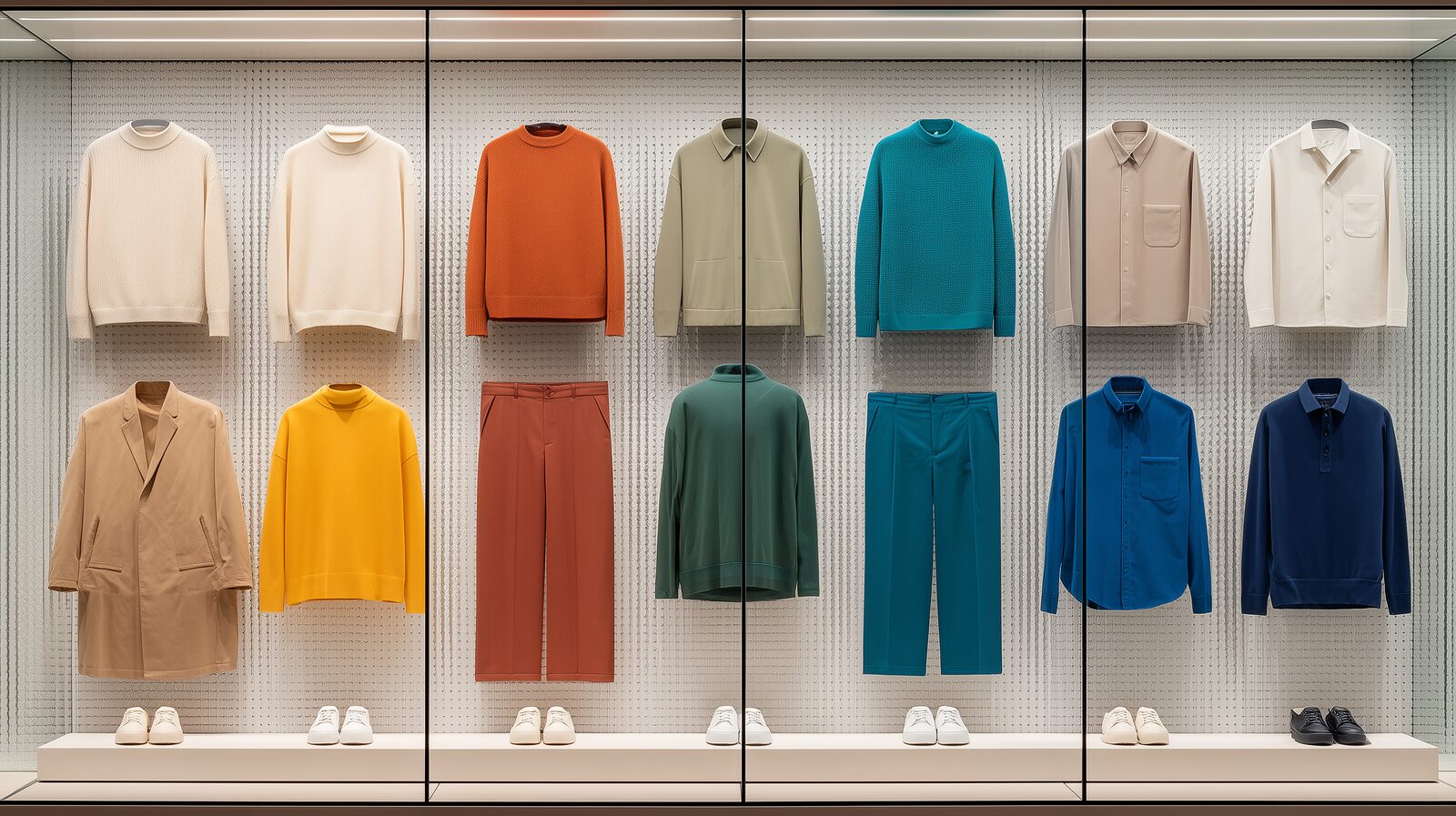
Sell and market before the bulk arrives.
What changes measurably.
- ●Permanent, searchable material library.
Every material in the portfolio is findable by any team, from any location, at any stage of development.
- ●Faster material selection.
Visual and spectral search replaces physical sorting, storage room visits, and waiting for samples from another office.
- ●External stakeholder access without physical exchange.
Partners, buyers, and agencies work from the same digital library via API or partner portal.
- ●Digital collections available before physical goods exist.
New ranges can be marketed, sampled, and sold before bulk production, reducing overproduction risk.
Organizations that have built their material library on DMIx report elimination of regional color discrepancies, structured searchable archives with spectral values accessible to external partners, and design teams who can find and verify materials from their desk in seconds rather than minutes in a warehouse.
Read case studyFrequently asked.
Related modules



Where this workflow step matters.
Footwear
Sneakers, performance, leather, synthetics: every material validated in its place.
CMF & Adjacent Industries
For general CMF teams plus home textiles, automotive interior, cosmetics and print.
Suppliers
Manufacturers, raw material, trims and raw fiber: one standard across every tier.

Show Digital Product Catalogues on your data.
We take a real use case and run it live through DMIx.