Quick answer
Bru, a global leader in fabric distribution, replaced regional color discrepancies and slow physical-sample shipments with a scalable, digital color workflow on DMIx. The result is faster approvals, lower operational cost, and a smaller environmental footprint.
About Bru
Bru is a global leader in fabric distribution and supplies millions of metres of upholstery and drapery fabrics for commercial and residential use every year. The company is also an industry leader in using digital technology to move the furnishing-textile industry forward.
The challenge
Maintaining color consistency across an international supply chain forced Bru to address several issues at once:
- Regional discrepancies in color matching
- Dependency on physical samples that delayed approvals
- Operational and environmental cost from sample shipments
Bru looked for a scalable, digital solution that streamlined color communication, reduced inefficiencies, and made access easier for external stakeholders.
How DMIx solved it
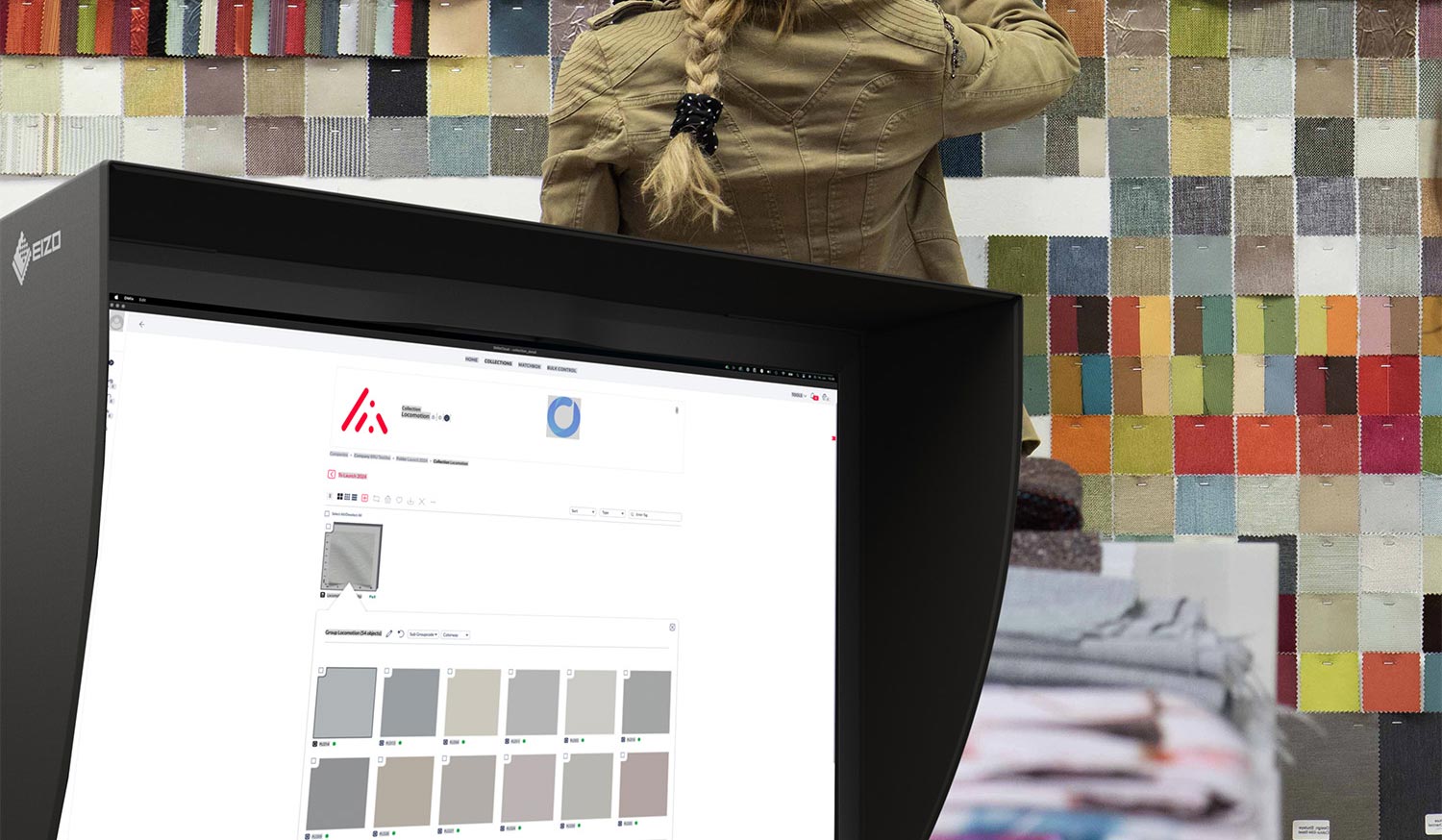
With DMIx, Bru moved color from physical envelopes to spectral data, with controlled access for partners and direct integration into existing tools. Color decisions now happen on the platform, not in the post.
Next steps
Read the full Bru case study for the numbers, or see Digital Color Standards for the philosophy that anchors the workflow.
Frequently asked questions
- Who is Bru?
- Bru is a global fabric distributor supplying millions of metres of upholstery and drapery fabrics for commercial and residential use, and a leader in digital innovation in furnishing textiles.
- What problem did Bru solve with DMIx?
- Regional discrepancies in color matching, dependency on physical samples that delayed approvals, and the operational and environmental cost of shipping samples across regions.
- What is the result?
- A scalable, digital color communication workflow that simplifies access for external stakeholders and removes the bottleneck of physical sampling.